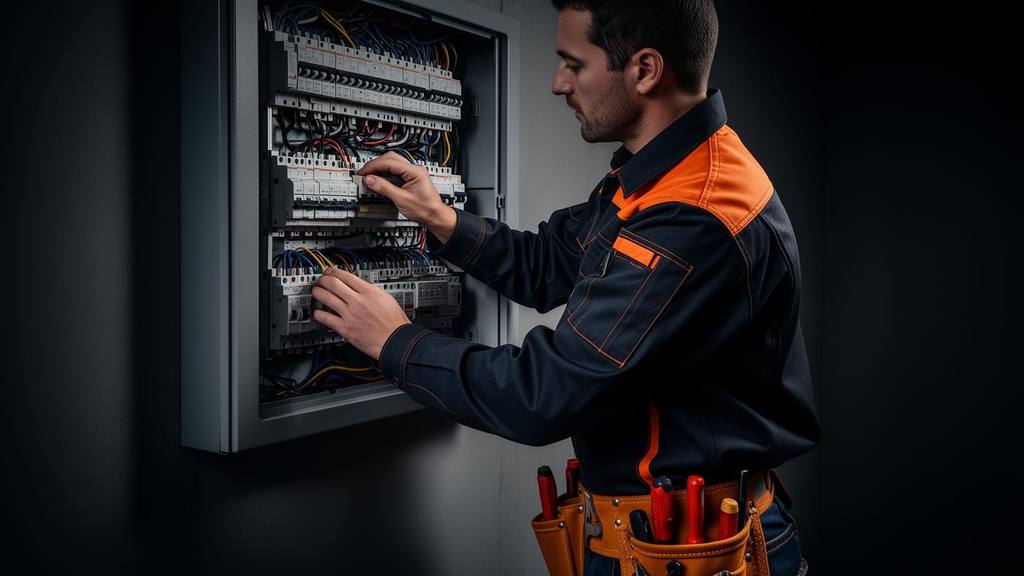
Electrical safety isn't optional, it's essential. This checklist walks Victorian homeowners through practical steps to identify and reduce electrical hazards, covering everything from power point inspections to switchboard safety.
With a large number of older homes across Victoria, outdated wiring and aging electrical components are common. According to Energy Safe Victoria, many domestic electrical incidents could be avoided through proactive maintenance and hazard awareness. Whether your home is newly built or decades old, routine electrical safety checks are vital to prevent fires, shocks, or expensive appliance damage.
1. Inspect Power Points and Light Switches
Examine all outlets and switches for signs of wear, discolouration, buzzing, or excessive heat. Replace any fittings that feel loose, spark when used, or look damaged. Avoid stacking multiple high-draw devices (like heaters or kettles) into a single outlet using double adapters or powerboards.
2. Test Safety Switches (RCDs) Monthly
Safety switches, or residual current devices (RCDs), are designed to shut off power instantly if a fault is detected. Press the "test" button on each switchboard-mounted RCD monthly to ensure functionality. Homes lacking RCDs should be upgraded without delay.
3. Check Cords and Appliances
Visually inspect power cords and plugs for fraying, nicks, or exposed wires. Avoid using appliances that emit burning smells, feel unusually hot, or make unusual sounds. Do not coil extension cords while in use, as this can lead to overheating.
4. Avoid DIY Electrical Work
Victorian regulations strictly prohibit unlicensed electrical work. Attempting DIY repairs can lead to electrocution, property damage, or legal penalties. Always engage a licensed electrician for any installation or repair work.
5. Ensure Outdoor Safety
Outdoor electrical outlets must be weatherproof and fitted with protective covers. Use only outdoor-rated extension cords and power tools. Keep cords elevated and away from wet surfaces or high-traffic paths. RCDs should be installed on all outdoor circuits.
6. Be Aware of Warning Signs
Frequent circuit breaker trips, flickering lights, or small electric shocks when touching metal appliances are signs of underlying faults. These often indicate overloaded circuits or deteriorating wiring and should be investigated immediately.
7. Schedule Regular Maintenance
Homes should undergo a comprehensive electrical inspection every five years, or sooner for properties with older wiring. Inspections include thermal imaging, load testing, and switchboard checks to identify hidden faults. Book a maintenance check through Ready Set Trades or call 1300 796 454.